Who is liable when a propane leak causes damage in Florida
By Mei Larsen · Updated 2026-07-27
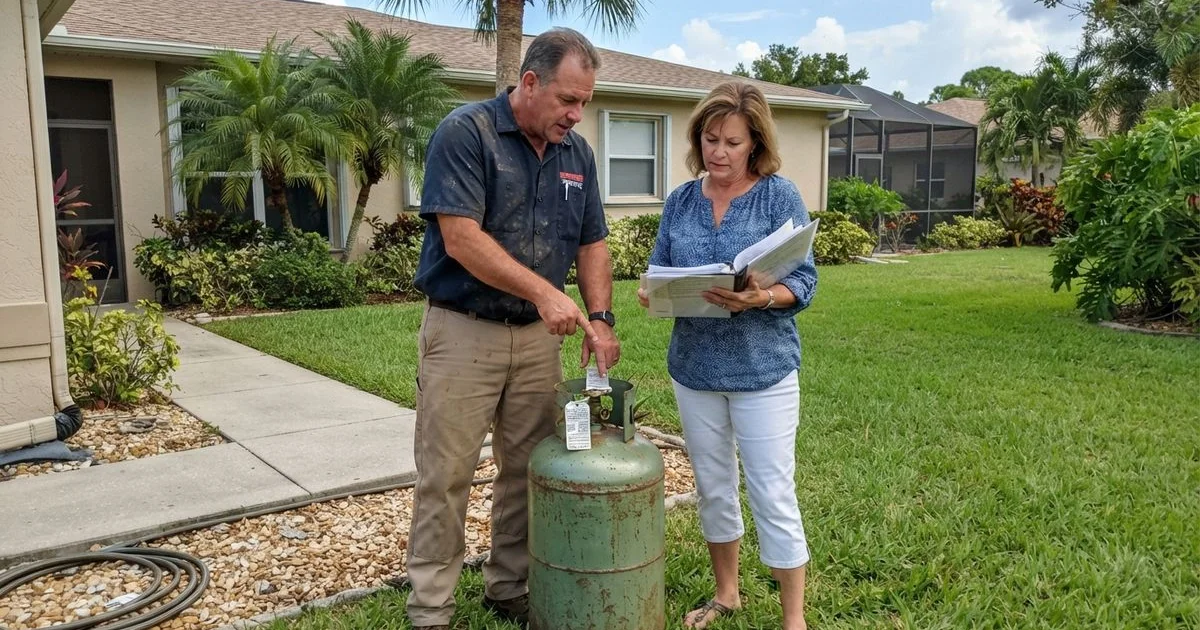
Liability after a propane leak is not a simple, one-size-fits-all answer, and it depends heavily on the specific facts of what happened. This is general information to help you understand the general factors involved, not legal advice for a specific incident. If you are dealing with an actual leak or damage situation, consult a qualified attorney and your insurance provider.
The general factors that shape liability
Who installed and maintained the equipment. If a leak traces back to a defect in installation, a component the supplier was responsible for maintaining, or equipment that was not up to code when installed, that generally points toward the installer or supplier bearing some responsibility.
Who owns the tank. An owned tank puts more of the ongoing maintenance responsibility on the property owner, while a leased tank often keeps maintenance obligations with the supplier under the lease terms. This distinction matters a lot when a leak happens and the cause is not immediately obvious.
What caused the leak. A manufacturing defect, an installation error, storm damage, third-party damage (like a contractor hitting a line), or normal wear that was not caught during routine maintenance can each point toward a different responsible party.
Whether proper safety steps were followed. If a homeowner or occupant ignored a known issue, made unauthorized modifications to the system, or failed to report a smell of gas promptly, that can affect how liability is assessed.
A general framework, not a rule
| Scenario | Typical direction (not a guarantee) |
|---|---|
| Leak traced to a defect in supplier-installed equipment | Often points toward supplier or installer responsibility |
| Leak caused by storm or flood damage | Often treated as a property/insurance matter, sometimes shared responsibility |
| Leak caused by third-party damage (e.g., a contractor) | Often points toward the third party’s liability |
| Leak on a leased tank due to lack of maintenance | Often points toward the leasing supplier, per lease terms |
| Homeowner-made modification to the system | Can shift more responsibility toward the homeowner |
This table is a general orientation, not a determination for any specific case. Actual liability depends on your lease or contract terms, applicable Florida statutes, the specific cause of the leak, and how a court or insurer ultimately weighs the evidence.
Insurance and liability are related but separate questions
Even when liability is unclear, insurance can still cover damage depending on your policy. Homeowners insurance, renters insurance, and a supplier’s commercial liability coverage can all potentially come into play, and having insurance pay out does not necessarily settle the underlying liability question between the parties. If you are dealing with a leak that caused property damage, contacting your insurance provider early, alongside addressing the physical safety issue, is a reasonable next step regardless of who ultimately turns out to be responsible.
Renters and landlords
For rental properties, Florida landlord-tenant law and the specific lease agreement both matter. A landlord is generally responsible for maintaining safe conditions on a rental property, but a tenant who caused damage through misuse or failed to report a known issue can bear some responsibility too. Reviewing the lease and any addenda covering the propane system is a sensible starting point before assuming responsibility falls one way or the other.
Documentation matters more than people expect
Whatever the eventual outcome, thorough documentation strengthens your position, whether you are a homeowner, a tenant, or a supplier. Photograph the damage and the equipment involved before repairs begin, keep copies of any maintenance records, lease agreements, and past inspection reports, and write down a timeline of what happened while the details are fresh. Insurers and attorneys both work more efficiently with a clear, documented record than with recollections pieced together weeks later.
If a leak is caused by a specific piece of equipment, avoid disposing of or heavily repairing that equipment until your insurer or attorney has had a chance to review it, since it can serve as evidence in determining the actual cause.
When to get professional help
If you are facing an actual leak, damage, or dispute, this overview is a starting point for understanding how liability generally works, not a substitute for professional advice. An attorney familiar with property or liability law, along with your insurance provider, can assess the specific facts of your situation. For routine safety questions or to find a licensed propane supplier for an inspection, our scoring method explains how we weigh licensing and safety practices when ranking providers across Florida.
FAQ
- Is a propane supplier always liable if their tank leaks?
- Not automatically. Liability generally depends on the cause: a defect in equipment the supplier installed or maintained points toward supplier responsibility, while damage from a third party, a natural disaster, or the homeowner's own modifications to the system can shift liability elsewhere. This is general information, not legal advice; a specific incident should be reviewed by a qualified attorney or your insurance provider.
- Does homeowners insurance cover propane leak damage?
- Many homeowners policies cover certain types of damage from a leak or explosion, but coverage details, exclusions, and limits vary significantly by policy and insurer. Review your specific policy or ask your insurance agent directly rather than assuming standard coverage applies to your situation.
- Who is responsible if a propane tank on a rental property leaks?
- This typically depends on your lease agreement and who owns the tank, landlord, tenant, or the propane supplier through a lease. Florida landlord-tenant law and the specific rental agreement both factor in, so reviewing your lease terms is a reasonable first step before assuming responsibility either way.
- What should I do first if a propane leak causes property damage?
- Prioritize safety first: get everyone away from the area and contact emergency services if there is any ongoing risk. Once the immediate situation is resolved, document the damage, contact your insurance provider, and consider consulting an attorney if the cause or responsible party is unclear.